Readings for today: 2 Samuel 8-9, 1 Chronicles 18
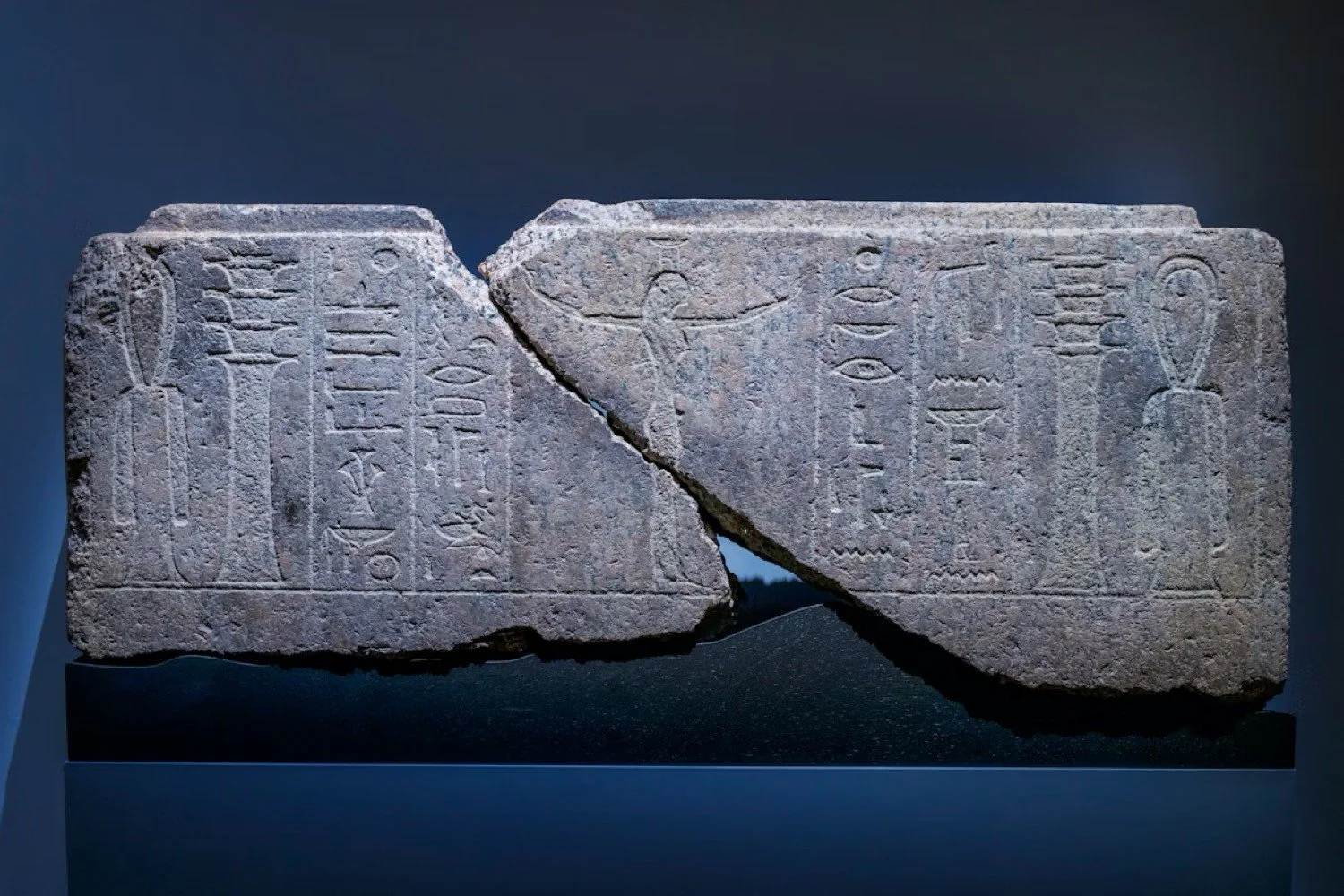
One of the challenges in reading the Old Testament is the use of hyperbole. This was a common rhetorical device among Ancient Near East writers especially when it came to reporting on military encounters. For the Biblical authors, the purpose was the magnify the glory of God and the overwhelming nature of His victories. This was especially true when Israel won victories against much stronger enemies. Additionally, round numbers were often used to signify the “completeness” of a victory. You see similar “epic” rhetoric used by the Egyptian Pharaohs or the Assyrian kings.
Take today’s reading for example. The author of 2 Samuel writes that David put two thirds of the Moabites to death after a battle, seized 1,700 charioteers and 20,000 infantry, and killed 22,000 Arameans. He then writes about another battle in the Valley of Salt where David defeats 18,000 more Arameans. The author of 1 Chronicles comes up with some different numbers in David’s battle with the king of Zobah - 1,000 chariots and 7,000 charioteers rather than 1,700. Is this a contradiction? Not if we are reading from an Ancient Near East point of view. The point was not to provide accurate data for a census but to magnify the successes of King David against the enemies of Israel and the fulfillment of God’s promise.
One of the key questions to ask as you read the Bible, especially the Old Testament, is what did it mean to the people it was written to. The Bible was written for us but it wasn’t originally written to us. It was written to a particular people in a particular culture who saw life through a particular worldview. This is essential for us to keep in mind lest we lose sight of the true meaning of the text or fall into the trap of anachronism. I see this happen all the time. People projecting our cultural values and ways of seeing the world back onto the text of Scripture. It never works out well and it fails to treat the Bible as a serious conversation partner when it comes to faith.
Readings for tomorrow: 2 Samuel 10, 1 Chronicles 19, Psalms 20, 53, 60, 75