


Following Jesus

Small Comfort

Readings for today: Job 14-17

We live in a world of hot takes. Harsh critique. Where everyone seems to be in a rush to judgment. We do not listen well. We do not seek to understand. In some circles, I’m even starting to see a rejection of empathy. It’s crazy to me and it reminds me of Job’s friends. They start so well. When they hear of all the tragic events of Job’s life, they rush to be with him. For seven days they sit with him in the ashes and dust of his life. They are quiet. Silent. Letting Job grieve. Letting Job weep. But when Job starts to process his grief, they can’t help themselves. They feel compelled to respond. To defend God. To correct Job. And their words are such small comfort.

“I have heard many things like these before. What miserable comforters are you all! Will there be an end to your windy words? Or what provokes you that you answer? I also could speak like you, if you were in my place; I could pile up words against you and I could shake my head at you. But I would strengthen you with my words; comfort from my lips would bring you relief.” (Job‬ ‭16‬:‭2‬-‭5‬ ‭NET‬‬)

Job’s not looking for theological answers. Job’s not looking for an intellectual discussion about the nature of sin and suffering. Job already knows these things. He is well-versed in his understanding of humanity’s relationship with God. He’s under no illusion as to his place in God’s universe. In his grief and pain and heartbreak, he simply is crying out to God. He’s asking for an audience with His Lord, the God he has served faithfully his entire life. Rather than arguing with him, what Job needs from his friends is encouragement. Comfort. Empathy. He needs his friends to come alongside him and listen to him and love him rather than correct him.

I don’t know about you but the last thing I need when I am hurting is unwanted and unasked for advice. The last thing I need when I am suffering is someone to try to tell me how to feel or how to think. The last thing I need when I am in pain is someone trying to rob of my right to my feelings. I just need someone to listen. I just need someone to sit with me in dust and ashes. I just need someone to let me know they love me. Interestingly enough, when God finally shows up at the end of the Book of Job, He doesn’t offer many answers. His presence is all the comfort Job needs.

Readings for tomorrow: Job 18-21

Hopeless

Readings for today: Job 10-13

Ever felt hopeless in your life? Ever get to a place where no matter what you did, things turned out worse? Ever find yourself in a position where the walls were closing in and you had no escape? No safety net? No one to catch you when you fall? This is what Job felt like in the face of all he suffered. Hopelessness is a terrible thing. The loss of hope is one of the worst things that can happen to a human being. If we don’t have hope, we lose any motivation to keep on living. We lose any desire to keep on striving. The results are often tragic. Either we give up or we find a way to end it all or we shuffle through the rest of life like a zombie with no sense of purpose or direction.

I think of the many people I have counseled over the years who found themselves on the verge of hopelessness. Some of them were fighting terrible, wasting diseases like ALS or Alzheimer’s and they wondered what value their life could possibly hold as their physical bodies failed. Some were fighting terrible addictions and they wondered how life could be worth living under such oppressive, compulsive, and seemingly irresistible self-destructive desires. Some were fighting mental health conditions like schizophrenia or anorexia or clinical depression and they wondered what the point of life might be when so much of what they experienced was darkness. Still others suffered from deep emotional and relational pain. Still others had seen everything they had built professionally come crashing down around them. There is so much pain and heartbreak in our world that leads to hopelessness and despair and we wonder where God is in the midst of it all.

Listen to how Job describes his own feelings of hopelessness, “If I am guilty, woe to me, and if I am innocent, I cannot lift my head; I am full of shame, and satiated with my affliction. If I lift myself up, you hunt me as a fierce lion, and again you display your power against me.” (Job‬ ‭10‬:‭15‬-‭16‬ ‭NET‬‬) There is nothing worse than feeling like life has no point. Nothing worse than feeling like no matter what we do, we are still doomed to suffer. Nothing worse than thinking it doesn’t matter if one is good or evil because we all end up in the same place. This is where Job finds himself in our reading today and yet he refuses to give up hope. He stubbornly clings to faith. He continues to cry out to God. Demanding an audience. Demanding an answer. Somewhere deep down, he knows what he’s experiencing is not right so he throws himself on God’s mercy. “Indeed, my eyes have seen all this, my ears have heard and understood it. What you know, I know also; I am not inferior to you! But I wish to speak to the Almighty, and I desire to argue my case with God.” (Job‬ ‭13‬:‭1‬-‭3 ‭NET‬‬)

Some believe the Book of Job is about the loss of faith. Some believe it is about deconstructing faith. I beg to differ. Job is a book that plumbs the depth of faith. It presents faith in it’s most real, most raw form. It shows us what faith looks like under immense pressure. It shows us how faith endures under the most difficult of circumstances. Job is a faithful man precisely because he continues to cry out to God. He refuses to let go. He is like Jacob wrestling with God down by the river. He is broken. He is beaten. He is wounded terribly, perhaps even mortally, and still he will not let go until God answers him. His friends all want him to compromise. His counselors all want him to exchange his deep and profound faith for superficial, theologically correct answers. His own wife wants him to renounce his faith, curse God, and die. But Job perseveres. He endures. He only tightens his grip on his faith. He refuses to give into hopelessness. Refuses to let despair have the final word.

Readings for tomorrow: Job 14-17

Death

Readings for today: Job 6-9

My father died suddenly in March of 2024. I remember the day vividly. I was driving with my son down to Colorado Springs where he had applied for college. We were supposed to do a tour of the university. My brother called me to tell me mom had come home from running errands to find my dad lying on the floor unresponsive. She called the paramedics. They tried to revive him to no avail. So we rushed home to be with mom while we waited for the coroner to come. Sitting at the dining room table with my father’s body lying on the floor in the room next to us was surreal to say the least. We couldn’t move him until the police came to do their investigation to make sure there was no foul play involved. So we sat together in silence while we waited.

I remember thinking back to some of these verses from Job. “My days are swifter than a weaver’s shuttle and they come to an end without hope. Remember that my life is but a breath, that my eyes will never again see happiness….My days are swifter than a runner, they speed by without seeing happiness. They glide by like reed boats, like an eagle that swoops down on its prey.” (Job‬ ‭7:6-7, 9‬:‭25‬-‭26‬ ‭NET‬‬) Thankfully, my father’s life didn’t without hope. He had given his life to Christ the summer before while we were in Israel and I got the privilege of baptizing him in the Jordan River. But the point Job makes here still stands. Our days are numbered before we are born. Even if we are granted long life, our time on this earth is short. The point isn’t so much to count our days as to make our days count.

Job also speaks powerfully about despair. He is in a dark place. He is hurting. He is grieving. He is lonely. And he cries out to God. This too is an expression of his deep faith. He trusts God enough to be real and honest with Him. He knows God can handle his raw emotions. He doesn’t have to hold back. He doesn’t have to watch his words. He doesn’t have to tread carefully or walk on egg shells. He can speak to God from the depths of his depression with the confidence that God will hear his prayers. This is part of why I love reading Job each year. It reminds me of the times in my own life when I have struggled with depression and despair. Job gave me hope in those dark days that I too could cry out to God and be real and honest with Him. And, like Job, God met me at my lowest point and raised me up to new life again.

Readings for tomorrow: Job 10-13

The Problem of Suffering

Readings for today: Job 1-5

Suffering poses one the greatest challenges to faith. Why is there so much suffering in the world? Why is there so much suffering throughout history? Why do good people suffer? Why do innocent people suffer? Why does suffering seem so arbitrary? Why do some suffer greatly and others suffer not as much? It’s a puzzle. A riddle wrapped in a mystery. An enigma that has haunted humanity from the beginning. You may or may not know this but Job is the oldest book in the Bible. The first one written chronologically. And it’s fascinating to me that the problem it seeks to solve is the problem of suffering. Suffering is a universal condition. One we all experience. And the problem of suffering is one we all think about and wrestle over. I’ve traveled the world and no matter where I go, people want to know why suffering exists. They want to know how a good God could allow suffering. Is He good but powerless to act or is He all-powerful but perhaps doesn’t care? These are questions that cut to the heart. Furthermore, many of my atheist friends point to the fact that suffering is not something that just impacts the human race. The history of the world is full of incredible suffering. The mass extinction of most species - some 99% according to scientific estimates - seems astronomically high if there is a good God sovereignly reigning over all He has made.

The temptation is to try and talk about suffering on a philosophical level. Over-spiritualize what is a deeply personal, deeply painful experience. This is the mistake Job’s friends make. But Job refuses to allow his suffering to become abstract. His words are raw and honest and heartbreaking. Though he does not sin, he still faces reality. Though he does not blame God, he does demand an audience. Job seems more than willing to accept evil from God, not just good. He seems more than willing to accept that the Lord gives and takes away. He still praises God in the middle of his grief and pain but he also refuses to let go. He wants answers and in this way, Job represents all of us. I believe it’s why this book holds such wide influence across human cultures and even other religious traditions. No matter what perspective a person holds, there is something about Job that is deeply compelling.

As you read this book, challenge yourself to sit in the ashes with Job. Allow your own experience of suffering, whatever that may be, to shape how you read and respond to the words of Job and his friends. Don’t rush past the pain. Don’t try to avoid the tensions raised by Job. Don’t offer easy answers to the questions he poses. Just sit with him. Listen to him. Let your heart break with him. And let the Lord speak to your own experience of suffering as you let Job be your guide.

Readings for tomorrow: Job 6-9

Redemptive Arc

Readings for today: Genesis 47-50

In today’s reading, the redemptive arc of Judah’s life comes to completion. What began in shame and dishonor as he sold his brother into slavery ends in pre-eminence and glory as he is raised to leadership among the tribes of Israel. Judah will now take his place at the head of the clan. He displaces his eldest brother Reuben whose lust cost him his position. He displaces his older brothers Levi and Simeon whose anger and violence spun out of control when they massacred an entire city. He now will lead the family. His descendants will become kings and establish the greatest dynasty in Israel’s history. In fact, the southern kingdom of Judah will bear his name and even the post-exilic people of Israel will become known as “Jews”, bearing his namesake throughout the centuries and into the modern day. Judah and his descendants will be known for their strength and courage. God will give them victory after victory in war. In fact, the “Lion of Judah” becomes part of their particular tribal heritage. And, of course, Judah’s line will eventually yield the Messiah. Jesus Christ is the fulfillment of the promise contained in verse ten which says, “The scepter will not depart from Judah, nor the ruler’s staff from between his feet, until he comes to whom it belongs; the nations will obey him.” (Genesis‬ ‭49‬:‭10‬ ‭NET‬‬)

The thing I love most about Judah’s life is the hope it gives a person like me. In many ways, my early years were also filled with shame and dishonor as I struggled with an alcohol problem that thankfully didn’t turn into an addiction. Failed out of college because of a complete lack of self-discipline. Battled my own demons of pride and lust and greed and selfishness. Thankfully, Jesus met me in the midst of all that darkness and brought me into the light. The Holy Spirit came to dwell inside me and began to sanctify me from the inside out. As I surrendered more and more to Him, He, in turn, made more and more like Jesus. And as I became more and more like Jesus, I began to bear the fruit of the Holy Spirit in my life. My wife noticed. My children noticed. My parents noticed. My friends noticed. The people I serve in the churches where I’ve been noticed. And the result was blessing upon blessing. Blessings in my life. Blessings through my life. The redemptive arc of my life has yet to come to completion. I know I still have so far to go but by the grace of God, I can look back over my life and see how He has shaped and formed in profound ways into the man and husband and father and pastor I am today.

What about you? Where do you find yourself on the redemptive arc? Are you at the beginning? Still battling all kinds of guilt and shame? Let the grace of Christ minister to you and deliver you from the burdens you carry. Have you received Christ? Wonderful! Now the task is to surrender more and more of you life into His hands. Let the Holy Spirit do His sanctifying work within you, making you more like Christ with each passing day. Are you nearing the end of your journey? Do you sense the redemptive arc of your life coming to a close as you near the end? Finish strong. Let Christ bring to completion the good work He’s begun in you so that your life, from beginning to end, will be a testimony to His grace, love and power.

Readings for tomorrow: No devotionals on Sundays

Forgiveness

Readings for today: Genesis 44-46

What is forgiveness? It’s a question I get a lot along with “how do I forgive?” Some believe forgiving means forgetting. Some believe forgiveness means giving people a pass. Some believe forgiveness is weak and foolish and naive and only enables people to walk all over you. Some believe forgiveness is impossible. Some believe forgiveness means the resolution of all feelings. Some believe forgiveness is the same as reconciliation. None of these are true. Forgiveness, biblically defined, is the decision to let go of all anger and resentment against a person or persons who have hurt you and no longer hold their actions against them. We see this modeled so well in the life of Joseph.

“Joseph said to his brothers, “Come closer to me,” so they came near. Then he said, “I am Joseph your brother, whom you sold into Egypt. Now, do not be upset and do not be angry with yourselves because you sold me here, for God sent me ahead of you to preserve life! For these past two years there has been famine in the land and for five more years there will be neither plowing nor harvesting. God sent me ahead of you to preserve you on the earth and to save your lives by a great deliverance. So now, it is not you who sent me here, but God. He has made me an adviser to Pharaoh, Lord over all his household, and ruler over all the land of Egypt.” (Genesis‬ ‭45‬:‭4‬-‭8‬ ‭NET‬‬)

Note that Joseph is clear and honest about what happened. “I am your brother Joseph whom you sold into Egypt.” There is no hiding from the truth. There is no attempt to skip over the truth. There is no pretending the truth of what happened had been forgotten. At the same time, Joseph has clearly made the decision to not hold the truth of what happened all those years ago against his brothers. “Do not be upset and do not be angry with yourselves because you sold me here.” Joseph releases them from their guilt. He refuses to hold what happened against them. He had let go of any anger or bitterness years before. And how did Joseph do that? He looked to God. He trusted God’s sovereign plan for his life. He knew God was able to work all things for his good and the good of His people. “God sent me ahead of you to preserve you on the earth and to save your lives by a great deliverance.” Joseph’s life. The lives of the Egyptians. The lives of Jacob and Joseph’s brothers and the rest of his family. Joseph believed God had a plan. In fact, he saw what happened as the fulfillment of the prophetic dreams he had had years before. He knew God was at work the very first time his brothers showed up. And because of that, he could forgive. He could release his rightful claim to justice and instead offer them grace.

Now let’s get practical. How can you practice forgiveness in your own life? Start with honesty. Start with honestly acknowledging the truth of what happened. Don’t shy away from it. Don’t back down from it. Just don’t hold onto it and allow it to morph into bitterness. Fix your eyes on Jesus. Ask Him to show you how what happened is part of His overall plan for your life. Think about how God revealed Himself to you in the midst of your pain and suffering and heartbreak. Let His Spirit release you from your need for vengeance. Extend grace. Let the other person or persons know you trust God’s plan. You trust what they may have meant for evil, God turned to good. Not just your good but their good as well.

Readings for tomorrow: Genesis 47-50

Redemption

Readings for today: Genesis 38-40

Judah has always been a fascinating person to me, probably because of the redemptive arc of his life. He doesn’t begin well. He’s in on the original plot to kill his brother Joseph but when Reuben convinces them not to kill him, he’s the one who comes up with the idea to sell Joseph into slavery and make a profit. But something must not have sat well with him because he quickly leaves the family to go live among the Canaanites. He marries a Canaanite woman. He has three sons. Two of them die under strange and tragic circumstances and the only conclusion Judah and/or the author of Genesis makes is that the Lord has killed them. Judah refuses to marry Tamar to his remaining son, perhaps fearing for his life, and that sets up the scenario where Tamar disguises herself as a prostitute, sleeps with Judah, becomes pregnant, and bears him two more sons. One of which becomes the ancestor of King David and Jesus. These experiences must have had a profound effect on Judah because the next time we hear anything about him, he is offering his own life in place of Benjamin’s before Joseph which ends up facilitating a beautiful reconciliation among the brothers and their family.

I’ve often wondered about the burden of guilt Judah must have carried. Selling your brother into slavery is no small thing. For all he knew, he was condemning his brother to a short life full of all kinds of pain and suffering and hard labor. I wonder if this is what prompted Judah to leave his family? How could he look his father and mother in the eye, knowing what he had done? Every time they passed the cistern where they had thrown Joseph, he must have had flashbacks. Every time a Midianite caravan passed down that same trade route, he must have thought about his brother. So he leaves his family, perhaps trying to escape his shame. He marries. He has children. He starts a business with his friend. Life seems to be moving on. But then his oldest dies under strange circumstances. Then his second son dies under similarly strange circumstances. I imagine Judah thought he was being punished by God, his sins catching up with him. So he refuses to give his third son to his daughter-in-law. Then, when she turns up pregnant, he responds in righteous indignation only to find out he is the father! It had to be incredibly humbling. We don’t know what happens next except the next time we hear from Judah, he is back with his family and he has changed. He is humble and more than willing to sacrifice himself rather than see another one of his family members be sold into slavery or die. And when Joseph sees his willingness to take his brother’s place, he cannot hold back any longer. He reveals himself and the family is reconciled.

I think the reason Judah fascinates me is because I too have carried burdens of guilt. I too carry a load of shame. I look back over the course of my life and I can point to so many instances where I sinned against the Lord and those I love. I was prideful, arrogant, and made a fool of myself. I hurt people with what I said or did or did not do. I didn’t stand up for those who needed me. And I’ve wondered at times if all the bad things that happened in my life were simply the consequences of my sinful choices catching up to me. Thankfully, God is quick to remind me of the gospel. The fact that He took my place. He paid the price. He gave Himself for me. He reminds me there is no condemnation for those who are in Christ Jesus because He has washed away all my guilt and shame through His saving death on the cross. Through Christ, I am reconciled to God, to those I love, and to the world around me. I no longer need to walk in fear or shame or guilt but in complete freedom.

Readings for tomorrow: Genesis 41-43

Brother’s Keeper

Readings for today: Genesis 34-37

Am I my brother’s keeper? It’s one of the most powerful questions posed by the Bible. Originally asked by Cain when confronted over his brother’s murder, it ripples out through the pages of Scripture and into human history. Jacob and Esau. Joseph and his brothers. The fights between Moses and God’s people during the Exodus. The brutal period of the Judges where “everyone did what was right in their own eyes.” The civil strife between Saul and David and the kings of Israel and Judah. The betrayal of Judas. The conflict in the early church. All of it a result of humanity’s seeming inability to answer this fundamental question. Am I my brother or sister’s keeper? Am I responsible for the well-being of those around me? Am I focused on selflessly serving others or selfishly using others for my own benefit?

Joseph was clearly an entitled and spoiled young man. Jacob repeated the generational pattern of favoritism in his family by loving Joseph more than his brothers. Joseph was given special privileges. Joseph enjoyed special treatment. Joseph was given special gifts like his special robe that set him apart. This bred a level of pride and arrogance in Joseph so when he was given a vision of the future by God, he naturally shared it with his brothers in an effort to demonstrate how truly special he was not only in the eyes of their father but in the eyes of God himself. In so doing, Joseph failed to be his brother’s keeper. His brothers responded like most would in that situation. They grew resentful and bitter and angry. Joseph’s dreams held real world implications for them, impacting their future as a family and clan. So they begin plotting to get rid of their brother, first deciding to kill him and then settling for selling him into slavery. In so doing, they failed to be their brother’s keeper.

Now fast forward to our own day and age. So many of the problems in our world can be traced back to this fundamental question. Am I my brother or sister’s keeper? Of course, this forces us to ask who is my brother? Who is my sister? Yesterday was Martin Luther King Jr. day in our country. A day set aside to honor a man who truly understood that every human being was his brother or his sister. He sought not to defeat or destroy those who opposed his message but instead to win them over with unarmed truth and unconditional love. He refused to allow the truth of the gospel to be co-opted for partisan political and social agendas and he refused to given into hate. Even in the face of water hoses and dogs and all kinds of other violence, Dr. King remained committed to love as the only way forward. Think about how different things would be if we truly saw one another as a brother or sister? Regardless of ethnicity or economic status? Regardless of cultural or social standing? Regardless of political affiliation? How would it change our debates over important topics like immigration, national security, global diplomacy, and economic policy? Maybe even more importantly and practically, how would it change our relationship with our family, friends, and neighbors who may disagree with us?

Readings for tomorrow: Genesis 38-40

Reconciliation

Readings for today: Genesis 30-33

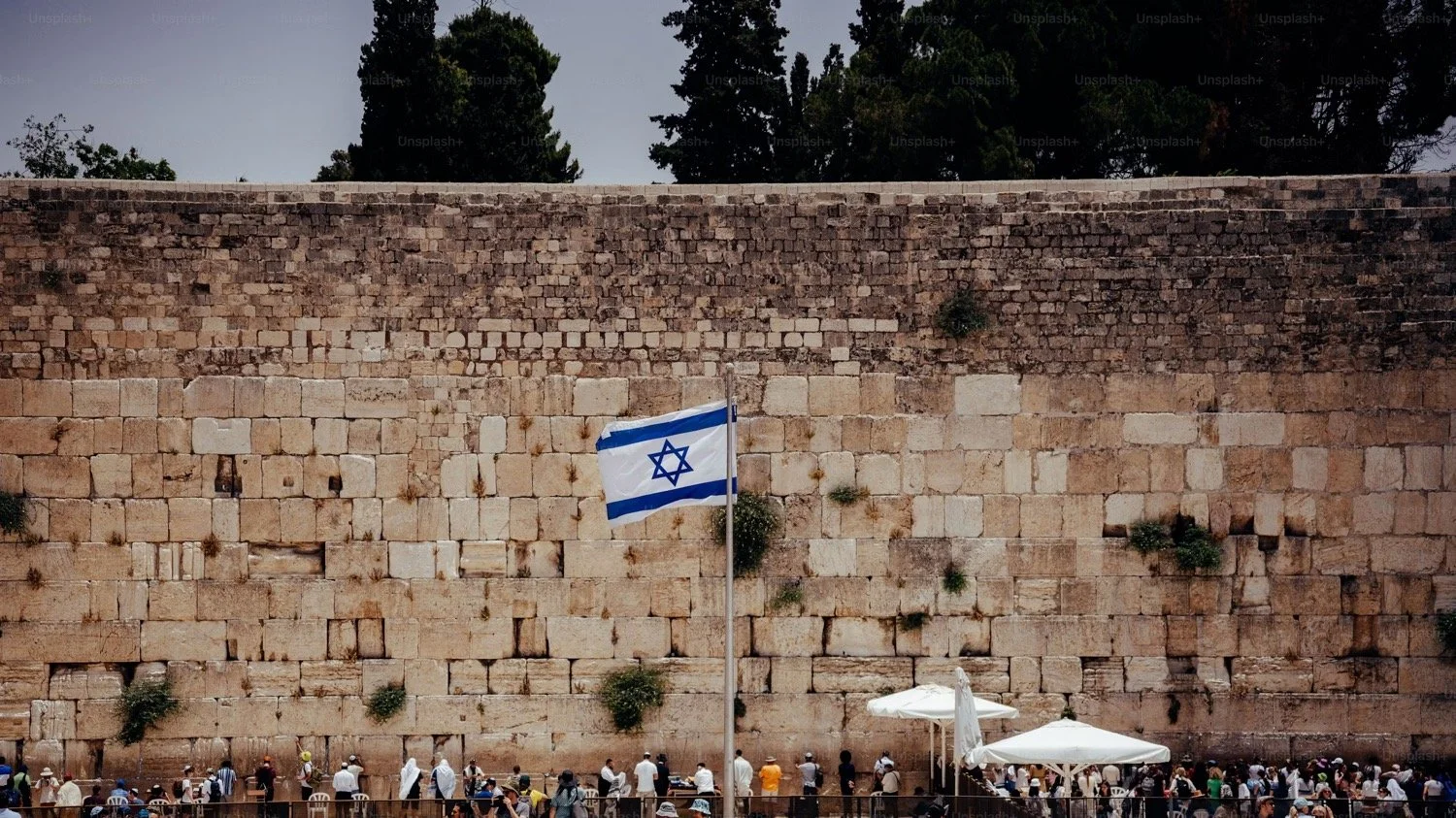
My dad died almost two years ago. We had a complex relationship. He was tough on me as his oldest son. He was a strict disciplinarian. A man you never said “no” to. He found it hard to express his feelings and emotions. Though he told me he loved me, he wasn’t overly demonstrative about it. Hugging was hard for him. He preferred critique over encouragement as a way to parent. He was also an alcoholic for almost forty years. Even though he was never physically abusive, he wasn’t easy to live with. When I moved back to Colorado over sixteen years ago, he was working at a golf course as a ranger. He and I were able to play regularly on the course. We had hours of conversation during those rounds. And God began to reconcile what I thought was irreconcilable. My father became more affectionate. He laughed easier. He told me how proud he was of me and the man I’d become. I was able to even confide in him at times and he offered me sound advice. About 18 months or so before he passed away, we took a trip to Israel together. My mom and my wife also were with us. I challenged him to make his peace with God. Once again, God worked a miracle. My father publicly proclaimed his faith in Jesus Christ and I had the privilege of baptizing him in the Jordan River. It was an experience I will never forget.

I imagine Jacob must have felt the same way when he met Esau. He had been gone for well over a decade. Plenty of time for Esau’s anger and hostility to ferment into something toxic and deadly. Indeed, if God wasn’t at work that’s exactly what would have happened. But as much as we read about God working in Jacob’s life, often despite his sin, He must have been working in Esau’s life as well. How else can one explain the greeting Jacob received upon returning home? “But Esau ran to meet him, embraced him, hugged his neck, and kissed him. Then they both wept.” (Genesis‬ ‭33‬:‭4‬ ‭NET‬‬) There’s no way to explain this miraculous reception other than God working in Esau’s heart to move him to forgiveness and reconciliation. And there’s nothing more powerful, more intimate, more life-changing than being on the receiving end of forgiveness and reconciliation whether it’s from God or those we love.

Think about your own life. Who do you need to forgive? Who do you need to ask forgiveness from? With whom do you need to reconcile? It may feel impossible. It may feel like the gulf is too wide. The hurt too deep. The disappointment too fresh. Everything in you may resist God’s call to lean in. But there’s nothing more powerful in the Christian life. Be strong and bold and courageous. Have faith. Trust the Holy Spirit. Reach out with open hands and an open heart. Pray fervently and regularly. Do all you can to make peace with God, peace with others, and peace with the world.

Readings for tomorrow: Genesis 34-37

Family

Readings for today: Genesis 27-29

I am in my seventeenth year as the pastor of a local church. One of the great blessings of serving a single church for that long is the opportunity I get to walk with families through many different seasons of life. Births and baptisms. Weddings and funerals. The challenge of raising kids and maintaining a strong, godly marriage. Launching careers. Struggling with teenagers. Experiencing unexpected tragedy. Healing from trauma. Recovering from addiction. Reconciling broken relationships. I’ve heard it all and seen it all. Perhaps that’s why when I read the stories of the Patriarchs and all the dysfunction within their families, I am not surprised. There’s nothing new under the sun. This is the way human families have always worked and the only thing strong enough to hold us together is the faithfulness of God.

God made an eternal, unbreakable covenant with Abraham and Sarah and their descendants. As we read in chapter fifteen, God literally put His life on the line to guarantee the fulfillment of this covenant. No matter how many times Abraham lies about his relationship with Sarah or Jacob deceives his brother and father, God refuses to let go. He refuses to let their sin derail His plan for their family. I have to admit I’m not a huge fan of Jacob or Esau. Esau seems entitled. Jacob seems spoiled. Neither want to take responsibility for their actions. Both would prefer to blame the other for all their problems. Still, God remains faithful. He blesses Jacob in spite of his deceit. He blesses Esau in spite of his homicidal rage. And this gives me hope because, if I am honest, I am not all that different than either of these two men. I have my own issues. I can look back over the course of my life and see plenty of times when my choices put God’s promises in jeopardy. And yet, God remains faithful to me as well. His covenant is just as unbreakable. Just as unshakeable. Just as eternal as the one He made with Abraham.

Readings for tomorrow: No devotionals on Sundays

Fear

Readings for today: Genesis 20-23

Fear is a powerful motivator. Often driving us to do things we wouldn’t otherwise do and make choices out of desperation rather than faith. Lot’s daughters, for example, from yesterday’s reading were afraid they would never find a husband, which during that time period would have meant a death sentence, so they got their father drunk and slept with him. Abraham is afraid Abimelech might kill him and try to steal his wife so he tells Sarah to lie about their relationship. After Isaac is born, Abraham is afraid of the budding conflict between Sarah and Hagar and the potential of a divided household so he lets Sarah throw Hagar and Ishmael out. I imagine if we sat and reflected for a moment, we can all think back to choices we’ve made that we regret that were driven by similar fears. 

The most common command in the Bible by far is “Do not be afraid.” God doesn’t want us to walk in fear. He tells us 1 John 4:18, “Perfect love casts out fear.” He tells us 2 Timothy 1:7 that He has “not given us a spirit of fear but of power, love, and discipline.” At the same time, there is one fear we are called to embrace. The fear of the Lord. Now I know we don’t like to think of God in this way. We are deeply unsettled at the idea that we would “fear God.” At the same time, what I’ve learned in my own life is when I fear God, I fear nothing else. And this is what Abraham learned as well.  

One of the most famous stories in all of Scripture is the sacrifice of Isaac. It has been the subject of some of the most incredible artwork throughout the centuries. It has influenced the plot lines of famous works of literature. There is just something deeply compelling about this story for believers and non-believers alike. An old man taking his son, his only son, the son whom he loves, and offering him as a sacrifice. In our minds eye, we can see them climbing the mountain together. Abraham with the fire and knife. Isaac carrying the wood. As we picture the scene, we can almost hear the poignant conversation between father and son. “My father?” “What is it, my son?” “Here is the fire and the wood but where is the lamb for the burnt offering?” “God will provide for himself the lamb for the burnt offering, my son.” (Genesis‬ ‭22‬:‭7‬-‭8‬ ‭NET)‬‬ You can almost imagine Abraham answering Isaac with tears in his eyes. They get to the top of the mountain. Abraham builds an altar. Binds his own son. Lays him down. Raises the knife. And that’s when God steps in. "Do not harm the boy! Do not do anything to him, for now I know that you fear God because you did not withhold your son, your only son, from me.” (Genesis‬ ‭22‬:‭12‬ ‭NET‬‬)

I’ve often wondered what kind of impact this experience had on Abraham and Isaac and their relationship? And yet, even the father/son relationship is not as important as Abraham’s relationship with God. He must fear God above all else. He must trust God above all else. He must honor God above all else. He must have faith in God above all else. The writer of Hebrews, as he looked back on this story and reflected on Abraham’s faith, says Abraham “reasoned that God could even raise him from the dead, and in a sense he received him back from there.” (Hebrews‬ ‭11‬:‭19‬ ‭NET‬‬) No matter what, Abraham knew God had promised him a son. He knew Isaac was that son. He knew the future rested on this son. And he trusted God even when it seemed like His commands put His promise at risk.  

Some might argue this whole scene makes God into a monster. What kind of God demands human sacrifice? Christians know it’s simply foreshadowing. Fast forward a few thousand years and we have another Father and Son having this same conversation in the Garden of Gethsemane. The Son asking the Father if this is truly what the Father commands. If there can’t be another way. One can almost see the Father answer His Son, His only Son, the Son whom He loves with tears in His eyes. So Jesus takes up the cross. Climbs the SAME exact mountain Abraham and Isaac did so many centuries before. He is bound and nailed to the wood. The Father raises His Hand - there is no ram to take Jesus’ place - and takes His Son’s life. All to save humanity from our sin and to bring an end to all our fear.

What are you afraid of today? What’s driving the choices you make? Is it fear of what others might say? Fear of facing the consequences of your actions? Fear of losing something you love? Fear God, friends. Trust God, friends. Look to the cross and consider the great love He has for you. As you fix your eyes on Jesus, you will feel the fear that so often drives us loosening it’s grip.

Readings for tomorrow: Genesis 24-26

Hospitality

Readings for today: Genesis 17-19

One of the things I’ve learned from my cross-cultural friendships is the value of hospitality. When I visited South Korea, the family had a space dedicated just for me with everything I could possibly need. They even had fresh cut flowers in a vase next to the bed. In Ethiopia, families prepare special coffee ceremonies where they dress up in traditional dress, roast coffee, prepare special dishes, and offer gifts to their guests. In Uganda, our hosts take our measurements and have traditional clothing handmade for us. In South Sudan, though the people have so little, they take time to honor us publicly for all we have done. The same value of hospitality translates to the immigrant communities I interact with near my own home in the United States. I have been invited into countless Indian homes for special dinners and times of blessing by the hosts. I have been asked to preach and showered with gifts by my friends in the Latino community. My African diaspora friends often ask me out for meals or give me special gifts as a way of honoring our friendship. I am humbled by these relationships and all I have learned from them over the years.

Perhaps that’s why I love reading the story of Abraham hosting the three men who show up out of nowhere in his camp one day. Without missing a beat, he runs to them and bows before them. He makes sure to get them water to wash their feet and seat them in the shade so they can rest. He prepares a meal for them, one that sounds very similar to meals I’ve actually eaten many times overseas when I’ve gone on a visit to a village church. The Bible doesn’t tell us when but at some point in time during the meal, Abraham comes to understand these are no ordinary men. He is actually hosting the Lord and two of His angels. It reminds me of that great verse out of Hebrews 13:2 where the author writes, “Do not neglect hospitality, because through it some have entertained angels without knowing it.” (Hebrews 13:2 NET)

As an American, I find myself deeply convicted by the sacrificial hospitality of people from other cultures. As often as I entertain - and as a pastor I imagine I entertain more than most - the reality is I don’t often open my home. I don’t always take the time to get to know my neighbors. I don’t always go out of my way to bless others with special gifts or seek to treat others with the honor they deserve as human beings made in the image of God. Imagine the difference it would make if Christians would dedicate just one or two nights a month to invite someone over and get to know them. Prepare a special meal for them and bless them. Honor them as people beloved by God. Honestly, it might be the easiest and best way to ratchet down the tensions we’re experiencing as a country right now and who knows…we may even find God showing up!

Readings for tomorrow: Genesis 20-23

Family

Readings for today: Genesis 14-16

Among the many privileges of my life is the opportunity each year to travel to the Horn of Africa. We go to places where the name of Jesus has never been heard. We often find ourselves in places where conflict or violence or even wars have been fought. We love going to the places where the need is greatest because it’s where we believe we can make the greatest impact. For example, several years ago, we went to a region that had just experienced several days of unrest. Conflict. Protests that often grew violent. Our indigenous partners were visibly uncomfortable taking us to the city where we were to conduct our church planter training and medical clinic. They wanted to make sure we stayed safe. We eventually loaded up the Land Rovers and headed out on our four hour plus trip. As we traveled, we passed right through areas where the riots had been just a day or two before. Large rocks littered the road. Burned out vehicles had yet to be cleared. A large semi-truck had been set on fire and flipped over. And while we were never in any real danger, we were reminded of the political realities on the ground in this particular country we love so much.  

The conflict in the Horn of Africa is tribal just like the conflict in Abram’s day was tribal. All these different kings led different tribes and they often fought as they sought to expand their power and influence. If one lived in those days, one might have been tempted to believe this is where the real action was taking place. The kings of Shinar, Ellasar, Elam, and Goiim making war with the kings of Sodom, Gomorrah, Admah, Zeboiim, and Bela. One might be tempted to think something significant rested on the outcome of their battle. But the Bible almost treats their conflict as an afterthought. Reading the passage for today, one gets the sense that the only reason this story is included at all is because Lot got caught up in it, forcing Abram into action. You see, the real action in these chapters has nothing to do with kings (even Melchizedek) and tribes and nations and their power struggles. No, the real action. The real drama. The real conflict involves an old man and his barren wife and their struggle to have children. It has to do with God and His promise to Abram and Sarai that they would have a son to carry on their family name.

And what is Abram’s response? Faith. He believes. Even crazier than taking 318 men and defeating four kings as they returned victorious from battle is old, childless Abram looking up into the night sky and believing God’s promise that his descendants will outnumber the stars in the sky. That’s why God declares him righteous. Because of his faith. And how does the Bible define Abram’s faith? The Apostle Paul will later say Abram was “was fully convinced that what God promised He was also able to do.” (Romans‬ ‭4‬:‭21‬ ‭NET‬‬) That’s the definition of true faith.

But God’s not done. He not only gives Abram this promise, He seals it by making a covenant with him. In the ancient near east, these ceremonies were common. Vassals would approach their kings and promise on their life to fulfill the terms of the covenant they were making. The crazy thing about Genesis 15 is it flips the whole ceremony on its head! Instead of Abram approaching God, it is God who puts Abram to sleep and approaches him. God is the one who makes His way through the halves of the animals, essentially declaring to Abram that He will fulfill the conditions of this covenant or cease to exist. It never ceases to shock me every time I read it.

Furthermore, as we have already seen, God’s faithfulness is unconditional. Even when Abram and Sarai take matters into their own hands - as in the case of Hagar and Ishmael - God is there to turn it for His good purpose. Because God has committed Himself to Abram and his family, He will never let go. No matter what they say. No matter what they do. God will remain faithful to the end. He must because He has pledged His own life to this covenant. Now fast forward a few thousand years to the Cross. God sacrificing His own life for the sake of Abram and his descendants. God sealing a new covenant by giving His body and shedding His blood. Can you see the fulfillment of Genesis 15? It’s amazing to consider the lengths to which God is willing to go for the sake of those He loves.

Readings for tomorrow: Genesis 17-19

Chosen

Readings for today: Genesis 12-13

Genesis 12 is perhaps the seminal chapter in the Book of Genesis. It begins with the call to a man named Abram. God choosing one man from one family, one clan, and one tribe descended from Noah’s oldest son, Shem, to become the father of a new nation. A great nation. God’s nation. The nation of Israel. Interestingly enough, it’s the same call God essentially gave to Adam and Eve as well as Noah and his family. Be fruitful. Multiply. Fill the earth. Have dominion. Only this time, God isn’t going to leave it up to Abram. Because human beings remain so prone to evil, God steps in and says,

  • I will make you into a great nation. (Be fruitful)

  • All the families of the earth will bless one another by your name. (Multiply)

  • Go out from your country, your relatives, and your father’s household to the land I will show you. (Fill the earth) 

  • I will bless you and I will make your name great, so that you will exemplify divine blessing (Have dominion)

All that sounds well and good except Abram’s got some issues! He is 75 years old which is not the best time in life to be starting over. His wife Sarai is barren and their childlessness is a source of incredible shame. He has to leave yet another city (Haran) where he had put down roots to go to an unknown place. When he finally arrives in the Promised Land, there is a famine. This drives him to Egypt where he fears for his life. He lies about his relationship with Sarai which puts God’s promise at risk. He returns from Egypt only to experience so much conflict with his nephew, they have to separate. Life was certainly not easy for Abram!  

And yet the call of God remains. After everything is said and done and Abram’s finally found a good spot to settle down, God speaks to him again

  • Look from the place where you stand to the north, south, east, and west. I will give all the land that you see to you and your descendants forever. (Fill the earth)

  • I will make your descendants like the dust of the earth, so that if one can count the dust of the earth, then your descendants also can be counted. (Be fruitful. Multiply)

  • Get up and walk throughout the land, for I will give it to you. (Have dominion)

God’s promise will be fulfilled. Not because Abram is faithful. Not because Abram is righteous. Not because Abram found favor with God. But because God is all these things and more! God will bring about His will on the earth! God will deliver on His promises! God will fulfill His purposes! And it doesn’t really matter what humanity does or doesn’t do. God will bring His plan to pass!

Does this give you hope today? To know He is at work in your life right now making you fruitful? Multiplying you in ways you cannot begin to imagine? Sending you out to fill the earth with His image and glory? Giving you dominion over all He has made? Does it take the pressure off a bit? Knowing that God will accomplish this in your life? I hope so! And like Abram, it doesn’t matter what obstacles stand in your way! God is faithful! In Christ, His promises are sure! In Christ, His promises will come to pass! In Christ, He will fulfill His plan and purpose for our lives!  

Readings for tomorrow: Genesis 14-16

Tribes and Nations

Readings for today: Genesis 10-11

One of the great blessings of my life is I get to travel around the world. I have been to the Far East and spent time with believers in China and South Korea. I have been to Mexico and spent time with believers there. I have been to the Middle East and talked to believers in Israel and Jordan. But most of my time is spent in the Horn of Africa. I spend about a month there each year. Two weeks in the spring. Two weeks in the fall. I’ve been there over twenty times and have built deep and lasting friendships with the pastors I get to serve while I am there. In order to build these friendships, we’ve had to navigate lots of cultural differences. One of the major ones has to do with how we define our respective cultural identities. For example, if you ask me about my cultural heritage, I immediately think of my identity as an American. But for most of my friends overseas, they think of their family and clan and tribe long before they think of their nation. Sure, they may live in Ethiopia but they belong to a particular family who has lived in a particular village for generations. Their family, in turn, belongs to a particular clan that also has deep roots in that particular region of the country. Further, their clan belongs to a tribe with it’s own language and culture and customs. These are the more important markers for them that frame how they think and how they view the world around them.

I thought about my friends in places like Ethiopia, Uganda, and South Sudan when I read through the Table of Nations today. It’s tempting from a Western perspective to think in terms of modern “nation-states” as if the names mentioned represent an exhaustive list of ancient kingdoms that filled the earth. But we have to always remember - especially when reading the Old Testament - that though the Bible was written for us, it was not written to us. It was written to a relatively small group of people in the ancient near east who thought of families and clans and tribes rather than nations and empires. It is far more likely that the Table of Nations shows the spread of actual people known to the biblical author and establishes a framework that will undergird how the descendants of Noah’s family - what will become ancient Israel - interacts with the nations around them. The number of nations listed equals the number 70 which is a highly significant symbolic number in the Bible, often representing the number of completion. So we most likely need to read this chapter as an intentional theological outline rather than an exhaustive ethnic census.

What does all that mean for us today? Well, it helps us understand the “tribal” impulses that exist in every human being which may explain why even in a Western country like America, it is so easy for us to fall into political tribes or identity politics. It’s gives us insight into why there is so much conflict and strife between families and clans and tribes. For example, in Somalia, the people often talk about “family against clan, clan against tribe, tribe against nation, and nation against the world.” This philosophy is not limited to just the Somali’s. Consider some of the extreme rhetoric around “America First” in our own country. There’s just a sinful impulse inside us all that wants to define ourselves over and against others who are different. But Christ comes to tear down every dividing wall of hostility. Christ comes to transcend every cultural barrier. Christ comes to bridge every divide between all the different tribes on earth which is why in Revelation 7:9 you see every tribe. Every tongue. Every nation. All gathered together in worship before the throne. And this is what the church is called to reflect in our present world.

Readings for tomorrow: No devotionals on Sundays

Violence

Readings for today: Genesis 8-9, Psalms 12

It’s striking to me how similar the language of Genesis 9 is to the language of Genesis 1 and yet it’s not exactly the same. I find myself pondering why that might be this morning. I imagine what I am seeing is the impact of the Fall. God is the same yesterday, today, and forever but His creation has suffered a mortal wound. The creature He made in His image – humanity – refuses to submit to His will, rejects the relationship God offers, and goes her own way. The results speak for themselves - “the imagination of man's heart is evil from his youth…” (Genesis 8:21) How does this evil manifest itself? Violence. Fear. Dread. These things were not present initially when God entrusted creation into our hands. In the beginning, humanity lived in harmony with all God had made. Yes, they were called to “subdue the earth” and “have dominion” but one doesn’t get the sense that it was coercive or forced. God renews His call to Noah after the flood but the differences are stark. The creation mandate remains – “Be fruitful, multiply, and replenish the earth” but then the reality of the brokenness of sin settles in. Noah and his family will subdue the earth and exercise dominion but it will be through fear and dread. The animals of the earth, the birds of the air, and the fish of the sea will all run from them. They will resist even as they are given into their hands. The reality of violence is acknowledged as is the first mention of the principle of lex talionis or proportional justice. God seeking to restrain the violent impulses that drove humanity pre-flood into chaos. The flood was an act of re-creation. God turning loose the waters that existed at the beginning of time to reshape all He had originally made. The Garden is gone. Paradise is lost. The world is now a hostile, violent, dangerous place full of fear and dread. Noah and his family will have to fight to survive. 

So little has changed in the thousands of years since Noah first stepped off the ark. The world is still full of violence and fear and dread. It is full of hate and rage and greed. Humanity has made incredible progress technologically but has remained morally deficient. Human history provides plenty of empirical evidence for the doctrine of original sin and total depravity. Shoot, my own life provides the same! We just don’t want to submit. We refuse to humble ourselves before God. We will not relinquish our selfish hold on this world. Thankfully, God has not left us in our broken condition. He will not leave us in our fallen estate. I love how the Apostle Paul puts it in Ephesians 2, “But now in Christ Jesus you who once were far off have been brought near by the blood of Christ. For He Himself is our peace, who has made us both one and has broken down in His flesh the dividing wall of hostility…and might reconcile us both to God in one body through the cross, thereby killing the hostility.” (Ephesians 2:13-14, 16) Jesus Christ left His home in heaven to come to the “far country” of this world to reclaim those who were lost. His desire was to draw us close. Draw us into His loving embrace. He is so faithful, He will pursue every human being. He will chase down every lost soul. He will leave no one behind. How did humanity respond? The way we always do. We rejected Christ. We killed the Lord of glory rather than submit to His embrace. Jesus became a victim of violence. A victim of humanity’s fear and dread. A victim of humanity’s hostility to the will of God. And yet through His death, God brought an end to sin. He broke the power of death. He set us free from bondage to evil. He made a way back to Him. 

Readings for tomorrow: Genesis 10-11

Ruin

Readings for today: Genesis 6-7

I had lunch with a friend the other day. He is struggling with grief over the loss of a relationship. He spent so much time and energy and effort pouring into the person he loved. He dedicated so much of his life to them. He was hoping it would go somewhere special. But then he made a significant mistake and it cost him. The person left him. And now he feels like he is sitting in the ruins of what once was and might have been. It’s extremely painful and heartbreaking. A few months back, I had a similar experience with a business owner. He has spent a lifetime building his business. He believes it can help so many people. He is passionate about his product. He has given so much time and energy and attention into making it grow. But it all has come crumbling down. He’s at the point of bankruptcy. He feels like he’s sitting in the ruins of what once was and might have been. Over the years, I’ve spoken to many pastors. Friends and colleagues who give themselves to their churches and communities. They pour themselves out for others, sacrificing time and energy and attention to helping navigate one crisis after another. But then something happens. Betrayal. Conflict. Key members of the church leave. Growth is stagnant. The budget gets harder to make with each passing year. They can feel their once vibrant ministry crumbling all around them and it feels like their sitting in the ruins of what once was and might have been.

God knows the feeling. The Creator looks down on His creation and what does He see? “The earth was ruined in the sight of God; the earth was filled with violence. God saw the earth, and indeed it was ruined, for all living creatures on the earth were sinful.” (Genesis‬ ‭6‬:‭11‬-‭12‬ ‭NET‬‬) I can’t imagine the grief God must have felt as He looked out over all He had made. As He thought about what once was and what might have been. This was not His plan. This was not His will. The last thing He wanted was for sin to enter the world and corrupt everything. God loves His world and He loves everything in His world and I cannot begin to fathom the pain He must have felt as He contemplated flooding the earth and starting over. He sees the human creature, made in His image, engaging in all kinds of evil. The inclination of their hearts seemingly addicted to violence. They have strayed so far from their original purpose. They have all followed in the footsteps of Cain rather than Abel. Called to steward all of creation under God’s wise and loving hand, they choose destruction. Called to cultivate and build and engage in all kinds of creative acts, they uproot and tear down and kill one another with impunity. The result is devastation and ruin.

Thankfully, there is one who is blameless. One who walks with God. His name is Noah. Noah and his family are the chosen instruments God will use to bring about re-creation and restoration. Noah and his family will become a new Adam and new Eve for the human race. They will reset the clock as God seeks to redeem what He has made and bring an end to sin and death and violence and suffering and pain. The famous evangelist, DL Moody, once said, “The world has not yet seen what God can do with a person fully consecrated to Him…and by God’s grace I will be that person.” This is how God works, friends, through His people. Through people fully consecrated and fully devoted to Him. He did it with Noah. He did it with Moody. He can do it with you. Endeavor today, by God’s grace, to be that person!

Readings for tomorrow: Genesis 8-9, Psalms 12

Two Questions

Readings for today: Genesis 3-5

The text asks two important questions of us today. Two questions that are worthy of prayer and reflection as we begin the new year. “Where are you?” and “Where is your brother?” Both of these questions are obviously rhetorical. It’s not like God can’t see Adam hiding in the bushes. It’s not like God doesn’t know Cain has killed his brother Abel. What God is doing in asking these questions is giving each of them a chance. A chance to confess. A chance to come clean. A chance to repent and restore their relationship with Him. Sadly, both Adam and Cain deflect. Adam hides because of his shame and then proceeds to blame his wife rather than take responsibility for his decision. Cain argues with God, claiming he is not responsible for his brother’s well-being. Both men are rightly judged and found wanting and yet both men find grace as well. Adam is given clothing to cover his nakedness. Cain is given a mark signifying God’s protection.

“Where are you?” Where is your heart? What is the state of your soul before God? What is the quality of your relationship with Him? Are you hiding in shame over what you have done? Have you willingly engaged in a lifestyle of sin? Are you doing all you can to avoid God in your life? If you were to meet God today and He were to ask you this question, how would you respond?

“Where is your brother?” Where is your sister? Where are the people God has placed in your life? What is the quality of your relationship with them? Do you understand your responsibility for them? Do you know you are your brother or sister’s keeper? Do you seek the good of those around you? Do you seek to serve those you love on a daily basis? Do you know their burdens and struggles and do you do all you can to help relieve them? Do you rejoice over them in success or do you allow envy to take root in your heart?

I think about these questions a lot. The first question drives me to prayer. Drives me to God’s Word on a daily basis. Drives me to worship with God’s people. I long to know God more. I long to meet God face to face. I long to understand more of who He is and what He’s all about and why He loves someone like me. I don’t want to hide from God. I don’t want to withhold any part of my life from God. I don’t want to live with shame over who I’ve been and what I’ve done. I want live authentically, openly, and transparently before Him.

The second question takes me outside of myself. It focuses my attention on others. My family. My friends. The church family I serve. The mission partners I am in relationship with. The people I know here in Parker and around the world that I love dearly. I am my brother and sister’s keeper. I cannot avoid this responsibility. I cannot shrink from this call. What does this look like in my life on a daily basis? It means waking up every morning and committing myself to serve my wife and children. It means intentionally setting aside time to connect with extended family and friends. It means being available for my church family. It means responding to friends I have around the world who are suffering in so many ways. It means listening well to those around me so I always know where they are physically, emotionally, and spiritually.

Where are you? Where is your brother or sister? Take some time today and talk to the Lord about these questions.

Readings for tomorrow: Genesis 6-7

Beyond Words

Readings for today: John 1:1-3, Psalms 8, 104

Psalms 104 is one of my favorites. I imagine the Psalmist sitting down to compose this song about the nature and character and being and glory of God and basically running out of words. He writes and writes and writes, drawing on what he knows about God and what he sees all around him in creation. He uses all kinds of amazing imagery to depict a God who uses light like a garment and the skies like a tent curtain and the rain clouds for construction material and the winds for His chariot. This God is immense. One cannot see His beginning or His end. One cannot measure His height or His depth or His breadth. One cannot wrap their minds around His glory and splendor and majesty. One cannot begin to understand or fathom His power and authority. The Psalmist writes with wonder about God’s artistry and creativity. Over here is the deep, wide sea filled with innumerable creatures. Over there are the smoldering mountains where the wild goats play. It’s awe-inspiring to say the least.

And yet, none of this is possible without Jesus. The Word who was there at the beginning. The Word who was with God and fully God. The Word through whom all things were created. This Word gives life and light to all He has made. And most incredibly of all, as we will see when we get to John’s Gospel in our readings this year, this Word becomes flesh and blood and makes His dwelling place among us. The same Word that spoke all creation into existence speaks to us. He uses our words. He uses our voice. He speaks to us in a language we can understand. He teaches us using imagery we can understand. He reveals to us the nature and character and glory of God in terms we can understand. Jesus is the One who bridges the gap between heaven and earth. Jesus is the one who heals the division between God and humanity. Jesus is the one who tears down every dividing wall of hostility that once separated us from God. He is before all things and in Him all things are held together.

All things are held together. Including you. Including me. Including this broken world. You may be starting the new year on a high note. Everything looking good. Everything looking up. Everything going your way. Praise the Lord! Thank God for the many ways He has sovereignly orchestrated your life to bring you to this place of blessing. You may be starting the new year on a low note. Everything falling apart. Everything in pieces. Praise the Lord! Ask God to do what only He can do which is put the pieces of your life back together for your good and for His glory. You may find yourself somewhere in between. Again, praise the Lord! Look to Jesus to perfect your faith in the year ahead as you navigate the peaks and valleys that are sure to come.

Readings for tomorrow: Genesis 3-5

New Year’s Resolution

Readings for today: Genesis 1-2

“Now the earth was without shape and empty, and darkness was over the surface of the watery deep, but the Spirit of God was moving over the surface of the water.” (Genesis‬ ‭1‬:‭2‬ ‭NET‬‬)

In many ways, each new year begins “without shape and empty.” The future is dark and uncertain and unknown. Sure, we all have our plans. We all make our resolutions. We all know how we would like each year to go but how many years actually go to plan? How many years follow the script we lay out in early January? Take a moment and reflect back on the past year. How many of your resolutions did you end up keeping? Did you stick with your diet? How often did you go to the gym? Did you save what you hoped? Did your investments pan out? Did you achieve the professional success you hoped for? Did you earn that degree? Did your relationships improve with those you love? Did you read through the Bible in a year? ;-) If you are like most, you won some and lost some. Life didn’t go quite the way you wanted.. The year didn’t turn out the way you hoped. Unexpected expenses came up. Unexpected obstacles got in your way. Unexpected crises derailed even your best laid plans.

So what if 2026 is different? What if, instead of you making your plans and setting your goals for this year, you let God fill the empty space? You ask God to shape what is currently “without shape” and form what is currently “formless?” What if you let God be the light in the darkness? The lamp for your feet and the light for your path? What if you let God order the chaos of your life rather than striving so hard to bring things under control? At the dawn of creation, everything was shapeless. The universe was void and empty. There was nothing but darkness and chaos. And life can feel that way at times. But the Spirit of God was moving over the surface of the primordial deep just like He’s moving over the surface of your life today. What if you let Him set the agenda for your life this year? What if you asked Him to reveal His plan for your life before you made your own?

I know this may sound scary if you’ve never done it before. It’s not easy for us to give up control. You may not even know where to begin. That’s okay. All of us have to start somewhere. Thankfully, it’s not complex. Start small. Pray and ask God to show you what He wants for your life on a given day. Ask Him for wisdom for every decision. Ask Him for grace for every relationship. Ask Him to give you a heart of compassion and mercy for everyone you meet. Ask Him for power to meet every challenge. At the end of each day, take a few moments to review how things went. Where did you see God show up? How did you feel throughout the day? What were the points of tension? What were the moments when you felt at peace? Is there anything unresolved? Anything left unformed? Empty? Dark? Ask the Spirit of God to order those places that remain chaotic and trust Him with the result.

It’s important to note this is not a call to passivity. It’s not a call to sit back and do nothing. Quite the opposite. In my experience, the Spirit of God will challenge and stretch you in ways you never would have chosen for yourself. In fact, He will often take you beyond your strength and beyond your wisdom and beyond your ability so that you learn to rely on Him. But as you partner with Him, you will find yourself more fulfilled and more satisfied than you could possibly imagine. So take it one day at a time. Don’t sweat it if you fall short or forget. Get right back into it and let the Lord fill your life. Trust when I tell you it will be worth it!

Readings for tomorrow: John 1:1-3, Psalms 8, 104