

boundaries

Boundaries

Readings for today: Leviticus 19-22

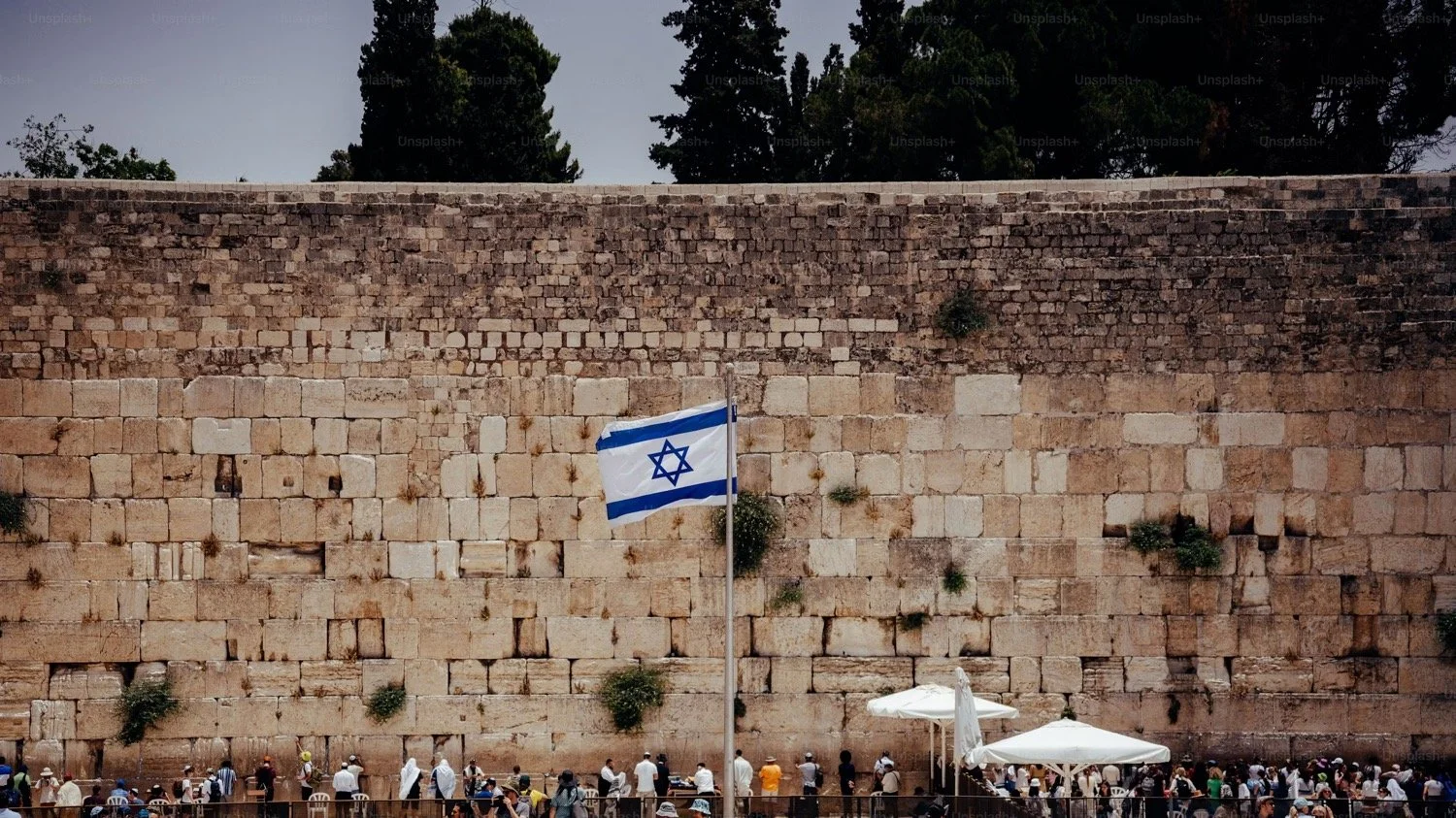
The primary challenge in reading and understanding Leviticus is the cultural gap that exists between modern, Western culture and the ancient Near East world. There are fundamental differences between how both cultures understand human identity, social order, ritual purity, and moral codes. We have to keep in mind the progressive nature both of God’s revelation and of humanity’s own growth in self-understanding and awareness. Ancient Near East cultures did not believe in modern concepts like universal human rights, free market capitalism, democracy, freedom, etc. They lived in a world with strict hierarchies drawn from a shared understanding of the cosmic order where ritual purity must be maintained lest they incur the wrath of God and the destruction of their society. As He always does, God was working in and through their cultural and social worldview to bring about His will and teach them about Himself.

Israel was set apart as a nation from all of her neighbors in any number of ways. She was a God-centered rather than a king-centered society. She was called to holiness and purity in all of life not just when she worshipped at the Temple. Her ethics were universal because every person - no matter their social or political or economic status - lived under the same covenant with God. So when we read about prohibitions against mixing seeds or mixing fibers, we have to understand their worldview. While such things seem trivial to us, they were Israel’s way of maintaining purity. The same was true when it came to sexual boundaries. The harsh penalties listed were necessary in a world where families and clans often struggled and even fought violently to protect clean lineages and tribal inheritances and strict patriarchy was a way to maintain stability and social order. Finally, Israel understood the priesthood to serve a critical role in maintaining not just social and religious order but the cosmic order itself. As they performed their duties, they maintained a right relationship with God on which all of human society depended.

I know all this may seem strange and esoteric to us. The gap is definitely hard to bridge. And yet, there are some beautifully progressive, even radical, concepts embedded within the Levitical code as well. Leaving the gleanings of a field for the poor. Outlawing the oppression of hired workers. Banning the cursing of those who are deaf. Requiring fairness and impartiality in a court’s judgment. And, of course, the Golden Rule. Loving your neighbor as yourself. All of these were grounded not in kingly authority but in sacred obligation in service to God. As such, they reframe human understanding of civic law as imitation of the divine character of God.

Readings for tomorrow: Leviticus 23-25

Limits

Readings for today: Exodus 22-24

My family has owned farmland in Nebraska for generations. In fact, my great-great-great grandfather was one of the largest landowners in the state at one time. Over the years, the land has been divided up between kids, grandkids, great-grandkids, etc. However, I still had the privilege, when I was growing up, of going back to help with the planting and the harvest. I got to help run cattle in the pasture. I got to brand and feed and get them ready for market. Some of my fondest memories are spending early mornings with my grandfather on the feedlot. After my father died two years ago, my mom made the decision to sell the land. As we got the land ready for sale, we realized one of our neighbors up there had cattle who knocked down a fence and grazed in our corn land. So we had to work with her on restitution. It reminded me of what we read in Exodus today. “If a man grazes his livestock in a field or a vineyard, and he lets the livestock loose and they graze in the field of another man, he must make restitution from the best of his own field and the best of his own vineyard.” (Exodus‬ ‭22‬:‭5‬ ‭NET‬‬)

Laws establish boundaries. They determine the limits of human behavior. They govern commerce, property, relationships, etc. They are critical to the establishment of a nation. Especially in the ancient world where there were no limits on retribution. Nations cannot exist without laws. Communities cannot exist without boundaries. One must know where the lines fall so we know where and when we transgress and we need to know the consequences if/when those things happen. Healthy laws and boundaries are critical to creating the conditions under which human beings thrive. Without the rule of law, human beings suffer unimaginable horrors as evil is allowed to run amok. Sadly, I have seen this firsthand in some of the places I travel to every year.

Sometimes Christians can get caught up making a false dichotomy. We set “grace” and “law” in opposition to one another when the Bible lays them side by side. Jesus Himself says, “If you love Me, you will obey my commandments.” (John 14:15 NET) Clearly, it’s a “both/and” and not an “either/or.” Does that mean Christians are bound to keep the entirety of the Old Testament law? Not at all. We have to understand the law’s purpose. Some of the laws in the Bible are specific to the nation of Israel. Some of the laws are specific to the worship of Israel. Neither of these are in effect anymore as we don’t live in ancient Israel and Jesus fulfilled the ceremonial laws governing the worship of ancient Israel. What laws does that leave? The moral law. Laws like the Ten Commandments. These are still very much in force and actually reinforced by Jesus in the Sermon on the Mount. Embracing God’s law means embracing healthy limits and boundaries which, in turn, sets us free.

Readings for tomorrow: Exodus 25-28

Boundaries

Readings for today: Exodus 22-24

My family has owned farmland in Nebraska for generations. In fact, my great-great-great grandfather was one of the largest landowners in the state at one time. Over the years, the land has been divided up between kids, grandkids, etc. However, I still had the privilege of being able to grow up going back to help with the planting and the harvest. I got to help run cattle in the pasture. I got to brand and feed and get them ready for market. Some of my fondest memories are spending early mornings with my grandfather on the feedlot. After my father died this year, my mom made the decision to sell the land. As we got the land ready for sale, we realized one of our neighbors up there had cattle who knocked down a fence and grazed in our corn land. So we had to work with her on restitution. It reminded me of what we read in Exodus today. “When a man lets a field or vineyard be grazed in, and then allows his animals to go and graze in someone else’s field, he must repay  with the best of his own field or vineyard.” (Exodus‬ ‭22‬:‭5‬ ‭CSB‬‬)

Laws establish boundaries. They determine the limits of human behavior. They govern commerce, property, relationships, etc. They are critical to the establishment of a nation. Nations cannot exist without laws. Communities cannot exist without boundaries. One must know where the lines fall so we know where and when we transgress and we need to know the consequences if/when those things happen. Healthy laws and boundaries are critical to creating the conditions under which human beings thrive. Without the rule of law, human beings suffer unimaginable horrors as evil is allowed to run amok. Sadly, I have seen this firsthand in some of the places I travel to every year.

Sometimes Christians can get caught up making a false dichotomy. We set “grace” and “law” in opposition to one another when the Bible lays them side by side. Jesus Himself says, “If you love Me, you will keep my commandments.” (John 14:15 CSB) Clearly, it’s a “both/and” and not an “either/or.” Does that mean Christians are bound to keep the entirety of the Old Testament law? Not at all. We have to understand the law’s purpose. Some of the laws in the Bible are specific to national Israel. Some of the laws are specific to the worship of Israel. Neither of these are in effect anymore as we don’t live in ancient Israel and Jesus fulfilled the ceremonial laws governing the worship of ancient Israel. What laws does that leave? The moral law. Laws like the Ten Commandments. These are still very much in force and actually reinforced by Jesus in the Sermon on the Mount.

So what boundaries does being a Christian place in your life? What limits do you submit yourself to as a follower of Jesus? How are you seeking to apply the moral force of the Ten Commandments in your life today?

Readings for tomorrow: Exodus 25-28